Views: 0 Author: Site Editor Publish Time: 2026-05-20 Origin: Site
Fuel theft is not always easy to see. It may happen through small fuel drains, false refueling records, fuel card misuse, or unexplained fuel loss when vehicles are parked. For fleet operators, these losses can quietly increase operating costs month after month.
This is why many logistics companies, truck fleets, bus operators, construction equipment owners, and fuel-intensive businesses ask the same question: can a Fuel Monitoring Device prevent fuel theft? The answer is yes, but with one important clarification. A Fuel Monitoring Device may not physically stop every theft attempt, but it can detect abnormal fuel activity, send alerts, provide evidence, and make fuel theft much harder to hide.
In this post, we’ll discuss how a Fuel Monitoring Device works, how it helps prevent fuel theft, what features matter most, where it is used, and how to choose the right fuel monitoring solution for your vehicles or equipment.
A Fuel Monitoring Device is a system used to monitor fuel level, fuel consumption, refueling events, fuel draining, and abnormal fuel changes. It helps vehicle owners and fleet managers understand how fuel is added, consumed, lost, or possibly stolen.
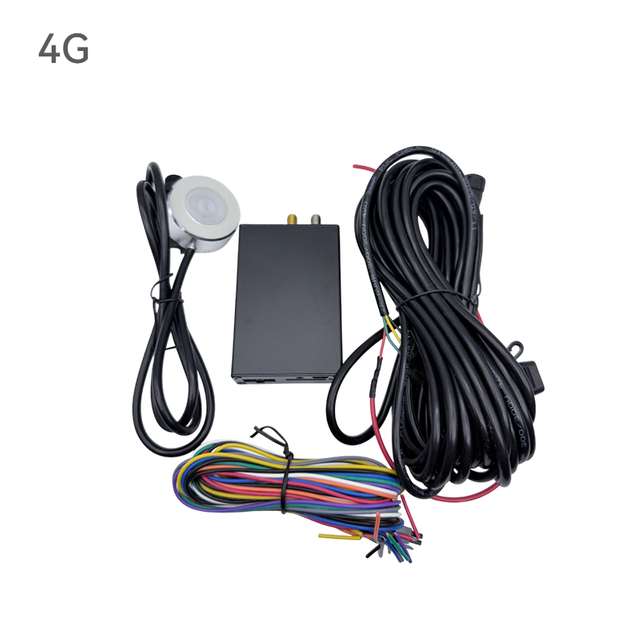
A complete Fuel Monitoring Device system usually includes a fuel level sensor, GPS tracking terminal, data communication module, cloud platform, mobile app, alarm system, and fuel report dashboard. The sensor measures fuel level changes in the tank, while the tracking terminal sends the data to a platform for analysis.
The main purpose of a Fuel Monitoring Device is to replace guesswork with real data. Instead of relying only on driver reports, paper receipts, or fuel card records, fleet managers can see fuel changes directly from the vehicle or equipment.
A Fuel Monitoring Device can help answer important questions such as:
● When was fuel added?
● Where did refueling happen?
● How much fuel was added?
● Did fuel drop suddenly while the vehicle was parked?
● Was the engine running when fuel decreased?
● Did fuel consumption match the route and mileage?
● Are there repeated fuel loss patterns from the same vehicle or location?
For businesses with multiple vehicles, this information is very valuable. It helps detect theft, reduce misuse, improve fuel planning, and control one of the largest fleet operating costs.
Yes, a Fuel Monitoring Device can help prevent fuel theft by making fuel activity visible and traceable. Fuel theft often happens because there is no clear evidence. If a company cannot prove when fuel was drained, where it happened, or how much was lost, the problem is difficult to manage.
A Fuel Monitoring Device changes this situation. It monitors fuel level changes in real time or near real time. When the system detects an abnormal fuel drop, it can send an alert to the fleet manager. This allows the company to respond quickly instead of discovering the loss much later.
Common fuel theft and fuel misuse situations include:
● Fuel drained from a parked truck
● Fuel stolen from construction equipment at night
● Driver reports refueling but less fuel enters the tank
● Fuel card is used for another vehicle
● Fuel is drained during long-distance transport stops
● Vehicle is used without permission, causing unexplained fuel consumption
● Small repeated fuel losses happen over time
A Fuel Monitoring Device helps prevent these problems in three ways. First, it creates real-time visibility. Second, it records fuel events with time and location. Third, it improves accountability because drivers and operators know fuel activity is being monitored.
A Fuel Monitoring Device works by measuring fuel level changes and sending the data to a monitoring platform. The process can be divided into five simple steps.
First, the fuel sensor measures the fuel level inside the tank. Different systems may use capacitive fuel sensors, ultrasonic fuel sensors, flow meters, or original vehicle fuel data. The best choice depends on the tank shape, vehicle type, accuracy requirement, and installation condition.
Second, the device collects related vehicle information. This may include fuel level, fuel consumption, refueling time, fuel draining events, mileage, vehicle speed, ignition status, location, and operating status.
Third, the data is sent to the platform through a GPS tracker and telematics terminal. This allows managers to monitor fuel status remotely through a web dashboard or mobile app.
Fourth, the platform analyzes the fuel data. It compares fuel level changes with time, location, vehicle movement, ignition status, and normal consumption patterns. If the system detects a sudden fuel drop that does not match normal use, it can mark the event as suspicious.
Fifth, the user receives alerts and reports. A Fuel Monitoring Device can send fuel drain alerts, refueling notifications and abnormal consumption reports. These records help managers investigate problems and improve fuel control.
A Fuel Monitoring Device detects fuel theft mainly by identifying abnormal fuel level changes. During normal driving, fuel usually decreases gradually. During theft or draining, the fuel level often drops suddenly within a short time.
For example, if a truck is parked overnight and the fuel level drops by 40 liters within several minutes, the system can trigger a fuel drain alarm. The manager can check the time, GPS location, vehicle status, and fuel chart to understand what happened.
If a driver submits a refueling receipt but the tank data shows no real fuel increase, the manager can compare the receipt with the Fuel Monitoring Device data. This helps identify false refueling records or fuel card misuse.
GPS linkage makes theft detection more useful. Fuel data alone tells managers that fuel changed. GPS data tells them where the change happened. When fuel level data is combined with location, time, route, and ignition status, fuel theft becomes much easier to investigate.
A reliable Fuel Monitoring Device should have the right features for theft detection and fuel management. Not every device offers the same accuracy or platform functions, so buyers should pay attention to practical performance.
Feature | Why It Matters |
Accurate fuel level measurement | Helps detect real fuel changes and reduce false alarms |
Fuel drain alerts | Sends notifications when fuel drops abnormally |
Refueling detection | Records refueling time, location, and amount |
GPS integration | Shows where fuel loss or refueling happened |
Fuel consumption reports | Helps identify abnormal usage trends |
Real-time platform access | Allows managers to monitor vehicles remotely |
Durable sensor design | Supports trucks, buses, machinery, and harsh environments |
Accuracy is the most important feature. If the sensor is inaccurate, the system may miss fuel theft or create false alarms. Accuracy depends on sensor quality, installation position, tank shape, and calibration.
Fuel drain alerts are also essential. If a Fuel Monitoring Device can detect sudden fuel drops and notify managers quickly, it becomes a strong anti-theft tool.
Refueling detection helps verify fuel purchases. The system should record when fuel was added, where it happened, and how much fuel entered the tank. This helps compare actual fuel data with invoices, receipts, or fuel card records.
GPS integration is highly recommended. Without location data, it is harder to know where the suspicious event happened. With GPS, fleet managers can connect fuel changes with routes, stops, parking areas, and driver behavior.
Many businesses still rely on manual fuel records, paper receipts, or driver reports. These methods can work for very small operations, but they are not strong enough for serious fuel theft prevention.
Comparison Item | Manual Fuel Management | Fuel Monitoring Device |
Fuel Level Tracking | Based on reports or receipts | Based on sensor data |
Theft Detection | Often delayed | Real-time or near real-time alerts |
Refueling Verification | Manual checking | Time, location, and volume records |
Data Accuracy | Easy to misreport | More objective and traceable |
Response Speed | Slow | Faster alerts and investigation |
Best For | Small, low-risk operations | Fleets, trucks, buses, machinery, and high fuel cost operations |
A Fuel Monitoring Device does not replace good management rules, but it gives those rules reliable data support. It helps managers move from passive checking to active monitoring.
A Fuel Monitoring Device is especially useful for vehicles and equipment with high fuel consumption or high theft risk.
For truck fleets, fuel monitoring helps control long-distance fuel costs, detect fuel draining, verify refueling, and compare consumption across vehicles and routes.
For bus fleets, a Fuel Monitoring Device helps operators monitor fuel use across many vehicles. It can reveal abnormal consumption, inefficient driving, or possible fuel loss.
For construction machinery, fuel theft often happens when equipment is parked at job sites. Excavators, loaders, cranes, generators, and compressors can benefit from fuel monitoring because they often work in open or remote areas.
For refrigerated trucks, fuel monitoring helps manage both vehicle fuel and refrigeration unit fuel use. This is important because refrigerated transport often operates for long hours.
For mining, agricultural, and heavy equipment, fuel costs are high and machines may operate far from central offices. A Fuel Monitoring Device helps managers monitor fuel use without being physically present.
The first benefit of a Fuel Monitoring Device is reduced fuel theft risk. When abnormal fuel drops can be detected and recorded, theft becomes harder to hide.
The second benefit is lower operating cost. Fuel is a major expense for many fleets. Even small losses can become expensive when they happen across many vehicles.
The third benefit is better refueling control. Managers can compare real fuel increases with fuel receipts or card transactions. This helps reduce false claims and fuel card misuse.
The fourth benefit is improved transparency. A Fuel Monitoring Device gives managers clear fuel data instead of relying only on manual records.
The fifth benefit is faster problem detection. Not every fuel loss is theft. Sometimes fuel loss may be caused by leakage, excessive idling, poor driving habits, or mechanical problems. Fuel monitoring helps identify these issues earlier.
The sixth benefit is stronger driver accountability. When drivers know that fuel usage is monitored, they are more likely to follow company fuel policies.
A Fuel Monitoring Device is useful, but buyers should understand its limitations. It is not a physical lock and cannot stop every theft attempt by itself. It works best as part of a complete fuel management system.
Sensor accuracy depends on correct installation and calibration. A poorly installed sensor may produce unstable data. Fuel tank shape can also affect measurement accuracy, especially if the tank is irregular.
Network signal can affect data transmission. If a vehicle is in an area with poor coverage, alerts may be delayed until the device reconnects.
Small fuel changes may be harder to detect in very large tanks or unstable environments. Vibration, slope, and fuel movement inside the tank can affect readings.
For harsh environments, the sensor and wiring must be durable. Construction equipment, mining vehicles, and off-road machinery require stronger protection than normal road vehicles.
For the best results, a Fuel Monitoring Device should be properly installed, carefully calibrated, connected with GPS, and managed through a reliable platform.
To choose the right Fuel Monitoring Device, start with the vehicle or equipment type. Trucks, buses, generators, excavators, refrigerated vehicles, mining equipment, and agricultural machines may require different sensor types and installation methods.
Next, check sensor accuracy. If the goal is fuel theft prevention, the device must detect abnormal fuel drops reliably. Buyers should ask about measurement accuracy, calibration method, and tank compatibility.
Then, confirm GPS integration. Fuel data is much more useful when it is linked with vehicle location, route, time, and ignition status.
Platform functions are also important. A good platform should support fuel charts, drain alerts, refueling reports, historical data, route playback, exportable reports, and mobile app access.
Durability should not be ignored. A Fuel Monitoring Device used in trucks, buses, and heavy equipment should resist fuel exposure, vibration, temperature changes, dust, and harsh working conditions.
Finally, choose a reliable manufacturer. A professional Fuel Monitoring Device manufacturer can provide stable hardware, firmware support, installation guidance, OEM/ODM customization, technical documents, and long-term supply.
A Fuel Monitoring Device can help prevent fuel theft by detecting abnormal fuel drops, recording refueling events, linking fuel data with GPS location, sending alerts, and providing clear reports. It may not physically stop every theft attempt, but it makes fuel theft easier to detect, harder to hide, and faster to manage.
For trucks, buses, generators, construction machinery, refrigerated vehicles, mining equipment, and agricultural machines, a Fuel Monitoring Device is a practical solution for fuel security and cost control. It helps businesses reduce fuel loss, verify refueling, improve driver accountability, and build a more transparent fuel management system.
When choosing a Fuel Monitoring Device, buyers should consider sensor accuracy, fuel tank compatibility, GPS integration, platform functions, alert settings, installation quality, durability, and manufacturer support. For professional projects, working with an experienced manufacturer such as Guangzhou T-mark Technology Co., Ltd. can help fleet operators protect fuel, reduce waste, and improve long-term operating efficiency.
A Fuel Monitoring Device may not physically stop every theft attempt, but it can detect abnormal fuel drops, send alerts, provide evidence, and make fuel theft much harder to hide.
A Fuel Monitoring Device monitors fuel level changes. If fuel drops suddenly while the vehicle is parked or the engine is off, the system can trigger a fuel drain alarm.
Yes. A Fuel Monitoring Device is commonly used for trucks, buses, construction machinery, generators, mining equipment, agricultural machinery, and other high fuel consumption vehicles or assets.
GPS tracking is highly recommended. When a Fuel Monitoring Device is connected with GPS, managers can see where fuel loss, refueling, or abnormal fuel consumption happened.
Buyers should consider sensor accuracy, fuel tank compatibility, GPS integration, platform functions, fuel drain alerts, installation quality, durability, and manufacturer support.