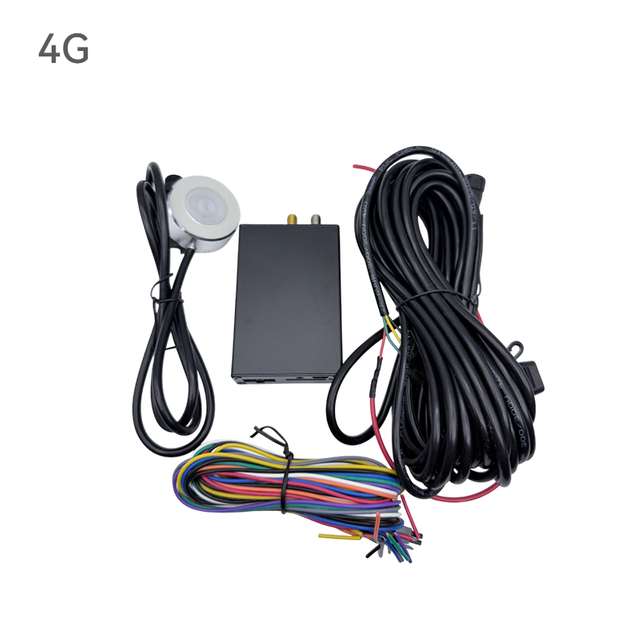
Monitor vehicle locations in real time, optimize routes, and improve operational efficiency with accurate and stable positioning.
In fleet management, GPS trackers are a core tool. They acquire the real-time location of each vehicle via satellite signals and upload the data to a management platform, allowing companies to monitor vehicle distribution and driving status at any time. This not only helps dispatchers rationally plan transportation routes but also effectively reduces empty runs and waiting time, improving overall operational efficiency.
Beyond location monitoring, GPS trackers can record vehicle trajectories and driving behaviors, including speeding, sudden braking, and rapid acceleration. Furthermore, through geofencing, alarms are triggered when vehicles enter or leave designated areas, enhancing vehicle security and theft prevention. Combined with vehicle status monitoring functions, such as fuel level, engine status, and temperature data, managers can comprehensively understand the fleet's operational status and promptly identify potential problems.
Using this data, companies can generate operational reports, analyze driving habits and fuel consumption, optimize vehicle use and maintenance plans, reduce costs, and provide customers with accurate transportation information, improving service satisfaction. In fleet management, GPS trackers are not merely monitoring tools but also a crucial foundation for improving efficiency, safety, and decision-making capabilities.