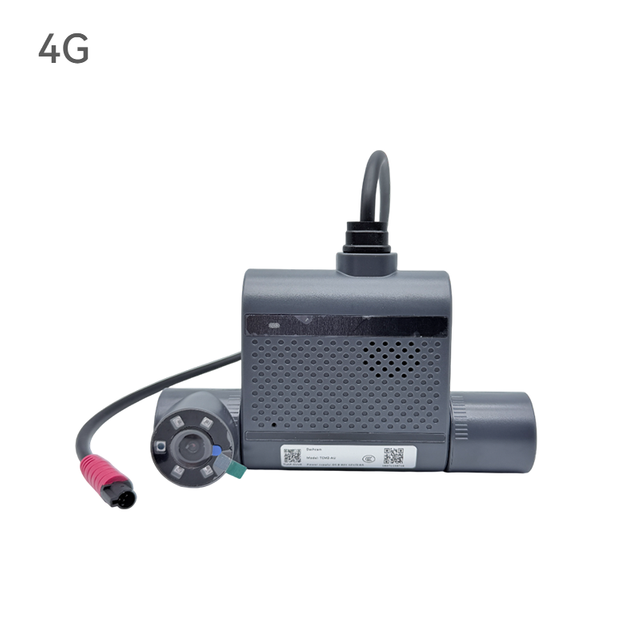
Track shipments throughout the delivery process, enhance transparency, and reduce loss or delays with reliable positioning data.
In logistics and transportation scenarios, GPS trackers are crucial tools for ensuring cargo safety and efficient transportation. They can acquire the real-time location of vehicles and transport equipment, uploading the data to a management platform via mobile networks. This allows dispatchers to monitor transport progress at any time, optimize routes, reduce empty runs and delays, and thus improve overall transportation efficiency.
Beyond real-time positioning, GPS trackers also record the driving trajectory, speed, parking time, and driving behavior of transport vehicles, helping companies analyze transportation patterns and driver habits. Furthermore, through geofencing, the system immediately issues an alarm when a vehicle deviates from its planned route or enters an unauthorized area, which is particularly important for theft prevention, abnormal dispatching, and emergency handling.
Combined with functions such as temperature and humidity monitoring, fuel level monitoring, and vehicle status data collection, GPS trackers can comprehensively monitor the status of transport vehicles and goods, making them especially suitable for cold chain transportation or high-value goods. Through data analysis and report generation, logistics companies can optimize routes, reduce operating costs, improve customer service experience, and enhance overall transportation safety.