Views: 22 Author: Site Editor Publish Time: 2026-05-15 Origin: Site
Can one small device help you track both a car and a valuable asset? For many vehicle owners, rental companies, logistics businesses, and equipment managers, this is a practical question. They need a tracking solution that is easy to use, does not require complicated wiring, and can be moved from one object to another when needed.
A Portable Tracking Device is designed for this exact purpose. It can help users monitor cars, trailers, containers, tools, machinery and other movable assets through GPS positioning, wireless communication, battery power, and tracking software.
In this post, we’ll discuss whether a Portable Tracking Device can track cars and assets, how it works, what features are important, where it is most useful, and how to choose the right model for your application.
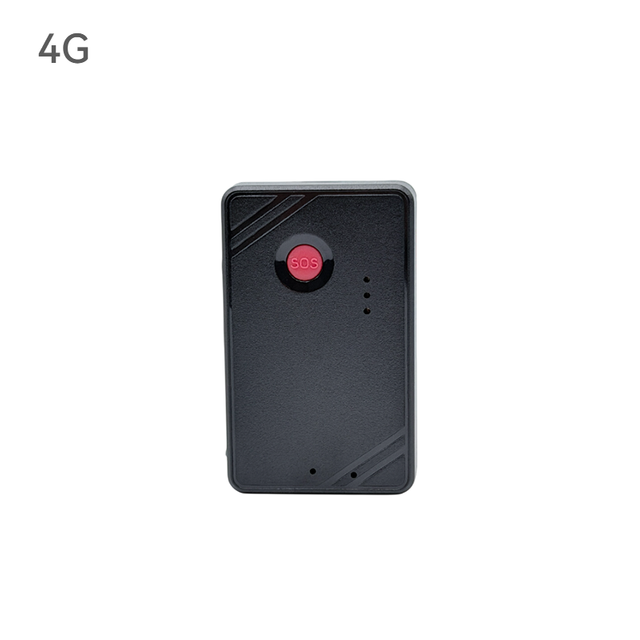
A Portable Tracking Device is a compact tracking unit used to monitor the location of vehicles or movable assets. Unlike a hardwired tracker, it usually does not need to be connected to the vehicle’s electrical system. Most portable trackers are battery-powered, wireless, and easy to place, hide, or move.
A Portable Tracking Device normally uses GPS or GNSS technology to identify its location. It then sends location data to a cloud tracking platform through a cellular network. Users can view the location, route history, movement alerts, battery status, and geofence alerts through a web platform or mobile app.
This type of device is also called a portable GPS tracker, battery-powered GPS tracker, wireless tracking device, mini GPS tracker, or portable asset tracker. Although the names are different, the main purpose is the same: to provide flexible tracking without permanent installation.
For users who need to track more than one type of object, a Portable Tracking Device is especially useful. It can be placed in a car today, attached to a trailer tomorrow, or used inside a cargo box during transportation.
Yes, a Portable Tracking Device can track cars when it has GPS positioning, cellular communication, a working battery, and a tracking platform. It can show the current location of the car, record driving routes, send movement alerts, and help users monitor vehicle activity.
For personal car owners, a Portable Tracking Device can be used as an anti-theft tool. The device can be hidden inside the car, such as under a seat, in the trunk, or inside another safe location. If the vehicle moves unexpectedly, the owner can check the location through a mobile app.
For rental companies, a Portable Tracking Device can help monitor temporary vehicle use. Since rental cars are frequently used by different drivers, a portable device is easier to manage than a permanent installation in some situations. It can help rental businesses know where vehicles are and whether they have left an agreed area.
For dealerships, a Portable Tracking Device can be used to monitor test drive vehicles or cars stored in outdoor lots. It helps reduce the risk of loss and improves vehicle visibility.
For temporary fleet projects, a Portable Tracking Device is also practical. For example, a business may need to track outsourced vehicles, seasonal vehicles, replacement cars, or short-term delivery vehicles. In these cases, a portable tracker provides quick deployment without wiring.
However, users should also understand the difference between a portable tracker and a hardwired tracker. A Portable Tracking Device is easier to install and move, but it depends on battery power. For long-term commercial fleet management, a hardwired tracker may still be more suitable.
Yes, a Portable Tracking Device can track many types of assets, especially movable assets that do not have a fixed power supply. This is one of the biggest advantages of portable tracking.
Assets that can be tracked include trailers, containers, pallets, motorcycles, boats, generators, construction equipment, tools, machinery, valuable cargo, and temporary storage units. If an asset can move or be moved, a Portable Tracking Device can help users know where it is.
Asset tracking is different from car tracking. Cars often move every day, while assets may stay in one place for long periods and only move occasionally. Because of this, a Portable Tracking Device used for assets should have long battery life, motion detection, sleep mode, and low battery alerts.
For example, a trailer may stay in a yard for several days before being moved. The tracker can remain in power-saving mode while the trailer is still. When movement is detected, the device can wake up and send a location update. This helps save battery while still providing useful tracking data.
For construction equipment, a Portable Tracking Device can help prevent theft and reduce asset loss. Tools, machines, and generators are often moved between job sites, and without tracking, it can be difficult to know where they are.
For logistics and cargo, a portable tracker can be placed inside a shipment. This helps users monitor the movement of valuable goods during transport, especially when cargo passes through multiple locations.
A Portable Tracking Device works through four main steps: location positioning, data transmission, platform processing, and user access.
First, the device receives satellite signals through GPS or GNSS. These signals help the device calculate its location, speed, direction, and movement status. For best performance, the tracker should be placed where it can receive enough satellite signal.
Second, the Portable Tracking Device sends data to a server through a wireless network. Most modern portable trackers use cellular networks such as 4G LTE, LTE-M, or NB-IoT. The correct network depends on the target country, coverage area, and tracking requirements.
Third, the cloud platform receives and processes the data. It stores location history, generates alerts, displays the device on a map, and allows users to review past movement.
Fourth, the user checks the information through a mobile app or web platform. Depending on the device and software, users may see real-time location, route playback, geofence alerts, motion alerts, low battery warnings, and reports.
In simple terms, a Portable Tracking Device collects location data, sends it to the platform, and allows the user to track cars or assets remotely.
The performance of a Portable Tracking Device depends on its features. For car and asset tracking, the following functions are especially important.
Real-time location tracking is the basic function. It allows users to see where the car or asset is located. For cars, this helps with security and monitoring. For assets, it helps reduce loss and improve visibility.
Route history playback allows users to review where the tracked object has been. This is useful for checking vehicle use, cargo routes, equipment movement, or rental car activity.
Geofence alerts allow users to create a virtual area on the map. When a car or asset enters or leaves this area, the system sends a notification. This is useful for parking lots, warehouses, construction sites, rental zones, and delivery areas.
Motion alerts help detect unauthorized movement. If a car, trailer, or piece of equipment starts moving unexpectedly, the Portable Tracking Device can notify the user.
Vibration alerts can help detect tampering, towing, or physical movement. This is helpful for vehicle security and asset protection.
Long battery life is very important because portable trackers usually do not rely on vehicle power. Battery life depends on battery capacity, reporting frequency, signal quality, temperature, and sleep mode settings.
Low battery alerts remind users to recharge or replace the battery before the device stops working.
Splash-proof and dustproof design is important for outdoor assets. If the Portable Tracking Device is used on trailers, containers, motorcycles, construction equipment, or outdoor cargo, a rugged housing can improve durability.
A Portable Tracking Device and a hardwired tracker can both track vehicles, but they are suitable for different applications.
Comparison Item | Portable Tracking Device | Hardwired Vehicle Tracker |
Installation | No wiring required | Requires vehicle wiring |
Power Source | Built-in battery | Vehicle power supply |
Best Use | Temporary tracking, asset tracking, personal security | Long-term fleet management |
Portability | Easy to move between cars or assets | Fixed in one vehicle |
Battery Management | Needs charging or replacement | Usually continuous power |
Vehicle Data | Mainly location and movement data | Can support ignition, fuel, sensors, and CAN bus data |
Deployment Speed | Fast and simple | Requires installation time |
A Portable Tracking Device is better when users need flexibility, simple installation, or temporary tracking. It is suitable for cars, trailers, containers, cargo, and equipment.
A hardwired tracker is better when users need permanent fleet management, continuous power, and more vehicle data. For example, a logistics fleet may prefer a hardwired tracker for daily operation, while a portable tracker may be used for extra assets or temporary vehicles.
A Portable Tracking Device is useful in many car and asset tracking scenarios.
For personal car security, it can be hidden inside the vehicle and used to monitor unexpected movement. If the car is stolen or moved without permission, the owner can check the location quickly.
For rental vehicles, a Portable Tracking Device helps rental companies monitor vehicle location and reduce risk. It is especially useful when vehicles are used for short periods or moved between branches.
For trailers and containers, portable tracking is practical because these assets usually do not have a stable power supply. A battery-powered tracker can provide location updates without wiring.
For construction equipment, a Portable Tracking Device helps track valuable machines, generators, tools, and trailers. This can reduce loss and improve equipment management across job sites.
For cargo and logistics, portable trackers can be placed inside shipments to monitor movement during transportation. This is useful for high-value goods or temporary transport projects.
For temporary fleet operations, businesses can use portable trackers on outsourced vehicles, seasonal vehicles, event vehicles, or replacement vehicles. This avoids the need for permanent installation.
The biggest benefit of a Portable Tracking Device is flexibility. Users can place it in different cars or attach it to different assets depending on their needs.
Another benefit is easy installation. Since most portable trackers do not require wiring, users can save installation time and labor cost. This makes them suitable for fast deployment.
A Portable Tracking Device also improves visibility. Whether tracking a car, trailer, tool, or cargo, users can know where the object is and review its movement history.
For security, the device can help detect abnormal movement. Features such as motion alerts, vibration alerts, geofence alerts, and real-time location can support theft prevention and recovery.
For businesses, portable tracking can reduce losses and improve management. Instead of manually checking where assets are, companies can use tracking data to make faster decisions.
For users with changing tracking needs, a Portable Tracking Device is more convenient than a fixed tracker. One device can be used for different objects, as long as the battery and signal conditions are suitable.
Although a Portable Tracking Device is useful, it is not perfect for every situation.
The first limitation is battery life. If the device reports location very frequently, the battery will drain faster. Users should choose the right reporting interval based on their tracking needs.
The second limitation is signal condition. If the device is placed inside a metal container, underground parking area, or enclosed space, GPS or cellular signals may become weaker. Proper placement is important.
The third limitation is vehicle data. A Portable Tracking Device usually focuses on location and movement. It may not provide detailed vehicle data such as engine status, fuel consumption, or diagnostic information.
The fourth limitation is device removal. Since portable trackers are not permanently installed, they may be removed if found. For high-security applications, hidden placement or a hardwired backup device may be needed.
Understanding these limitations helps buyers choose the right device for the right application.
To choose the right Portable Tracking Device, start by identifying what you want to track. Cars, trailers, containers, tools, equipment, and cargo may require different device sizes, battery capacities, and installation methods.
If you need to track cars, choose a compact device that is easy to hide and has stable real-time tracking. For rental cars or personal vehicles, app access and movement alerts are important.
If you need to track assets, choose a device with long battery life, sleep mode, motion detection, and strong housing. For outdoor assets, splash-proof and dustproof protection is important.
Network compatibility is also critical. Make sure the Portable Tracking Device supports the cellular network bands used in your target country or region. This is especially important for distributors and project buyers.
Battery capacity should match the application. Frequent real-time tracking requires more power, while asset tracking can often use longer reporting intervals to extend battery life.
The tracking platform should be easy to use. Important platform functions include live tracking, route history, geofencing, alerts, battery status, and mobile app support.
Finally, choose a reliable manufacturer. A professional Portable Tracking Device manufacturer can provide better hardware quality, firmware support, OEM/ODM customization, technical documents, and long-term supply.
A Portable Tracking Device can track both cars and assets when it has GPS positioning, wireless communication, battery power, and tracking software. It is a practical solution for users who need flexible tracking without permanent installation.
For cars, a Portable Tracking Device can support personal security, rental vehicle monitoring, temporary fleet tracking, test drive vehicle tracking, and backup tracking. For assets, it can help monitor trailers, containers, cargo, tools, construction equipment, and other movable items.
When choosing a Portable Tracking Device, buyers should consider the tracking target, battery life, network compatibility, device size, installation method, durability, platform functions, and supplier support. For businesses and project buyers, working with an experienced manufacturer such as Guangzhou T-mark Technology Co., Ltd. can help ensure better product quality, customization ability, and reliable long-term use.
Yes. A Portable Tracking Device can track cars, trailers, containers, equipment, tools, cargo, and other movable assets if it has GPS positioning, cellular connectivity, battery power, and tracking software.
Usually no. Most portable tracking devices are battery-powered and wireless. They can be placed, hidden, or attached without connecting to the vehicle’s electrical system.
Battery life depends on battery capacity, reporting interval, signal strength, sleep mode, temperature, and usage conditions. Some devices are designed for short-term real-time tracking, while others are designed for long standby asset tracking.
Yes. A Portable Tracking Device can help with car security by providing location tracking, movement alerts, vibration alerts, and geofence alerts. However, it should be hidden properly to reduce the chance of removal.
For many assets, yes. Assets such as trailers, containers, tools, and equipment often do not have a stable power supply, so a battery-powered Portable Tracking Device is more practical. For permanent vehicle fleet management, a hardwired tracker may be more suitable.