Views: 0 Author: Site Editor Publish Time: 2026-05-13 Origin: Site
Have you ever wondered what really happens after a vehicle leaves your warehouse, parking lot, rental branch, or delivery center? For many businesses, the biggest problem is not owning vehicles—it is knowing where they are, how they are being used, and whether they are operating safely and efficiently.
A Vehicle Tracking Device helps solve this problem by giving vehicle owners and fleet managers real-time visibility. Instead of relying on phone calls, manual reports, or guesswork, companies can use tracking data to monitor vehicle location, route history, driver behavior, and security events.
In this post, we’ll discuss what a Vehicle Tracking Device is, how it works, what types are available, which features matter most, and how to choose the right device for your business or project.
A Vehicle Tracking Device is an electronic device installed in or attached to a vehicle to monitor its location and transmit vehicle-related data to a tracking platform. It is commonly used in cars, trucks, buses, taxis, rental vehicles, trailers, construction equipment, and delivery fleets.
Most modern vehicle tracking devices use GPS or other satellite positioning systems to identify the vehicle’s location. The device then sends this information through a cellular network to a cloud-based platform. Users can view the vehicle’s position, route history, speed, mileage, alerts, and reports through a web platform or mobile app.
In simple terms, a Vehicle Tracking Device connects the physical vehicle with digital management software. It helps users answer important questions such as:
● Where is the vehicle now?
● Has the vehicle left an authorized area?
● Is the driver speeding?
● How many kilometers has the vehicle traveled?
● Was the vehicle used outside working hours?
● Can the vehicle be recovered if it is stolen?
Because of these functions, a Vehicle Tracking Device is widely used in fleet management, logistics, car rental, vehicle security, asset protection, and transportation operations.
A Vehicle Tracking Device works through four main steps: positioning, data collection, data transmission, and platform display.
First, the device receives signals from GPS satellites or other GNSS systems. These satellite signals allow the device to calculate the vehicle’s location, speed, direction, and movement status. In normal outdoor environments, GPS positioning is usually accurate enough for fleet tracking and vehicle monitoring.
Second, the device collects vehicle data. Basic devices may collect only location, speed, and time. More advanced models can collect ignition status, mileage, battery voltage, vibration, fuel level, temperature, door status, and driver behavior data.
Third, the Vehicle Tracking Device sends the collected data to a server. Most devices use cellular networks such as 4G LTE, LTE Cat 1, LTE-M, or NB-IoT. Some older devices may use 2G or 3G networks, but many markets are moving away from these older technologies. For long-term projects, 4G-compatible devices are usually a safer choice.
Fourth, the tracking platform processes and displays the data. Fleet managers can log in to a web dashboard or mobile app to see real-time locations, route playback, alerts, geofences, reports, and vehicle status. If something abnormal happens, such as unauthorized movement or power disconnection, the system can send an alert.
A reliable Vehicle Tracking Device depends on several key components working together. The quality of these components affects tracking accuracy, signal stability, installation flexibility, and long-term performance.
Component | Function | Why It Matters |
GPS/GNSS Module | Receives satellite signals and calculates location | Determines tracking accuracy |
Cellular Module | Sends data to the server | Affects network compatibility and stability |
Antenna | Improves GPS and cellular signal reception | Helps maintain stable communication |
Processor | Controls device operation and data handling | Impacts performance and firmware stability |
Power System | Provides power through vehicle wiring, OBD port, or battery | Affects working time and installation method |
Sensors | Detect ignition, vibration, movement, temperature, fuel level, or door status | Expands tracking functions |
Firmware | Runs the internal device logic | Supports alerts, protocols, reporting rules, and customization |
Tracking Platform | Displays data on web or mobile software | Helps users manage vehicles and analyze performance |
For professional applications, hardware quality is especially important. A low-quality Vehicle Tracking Device may suffer from unstable signals, inaccurate positioning, weak battery performance, or poor network compatibility. For fleet operators, these issues can lead to missing data and higher management costs.
Different vehicles and business scenarios require different tracking devices. Choosing the right type depends on the installation method, power source, tracking purpose, and required functions.
Type | Installation | Best For | Advantages |
Hardwired Vehicle Tracking Device | Connected to vehicle wiring | Trucks, buses, taxis, company vehicles, logistics fleets | Stable power, hidden installation, long-term use |
OBD Vehicle Tracking Device | Plugged into the OBD port | Rental cars, light vehicles, small fleets | Easy installation, no wiring, quick deployment |
Battery-Powered Vehicle Tracking Device | Powered by internal battery | Trailers, containers, equipment, temporary tracking | Flexible placement, no vehicle power required |
Magnetic GPS Tracker | Attached by magnet | Temporary vehicle tracking and asset protection | Easy to install and remove |
Advanced Telematics Device | Professional installation with sensors or CAN bus | Large fleets and integrated systems | Supports more vehicle data and advanced reports |
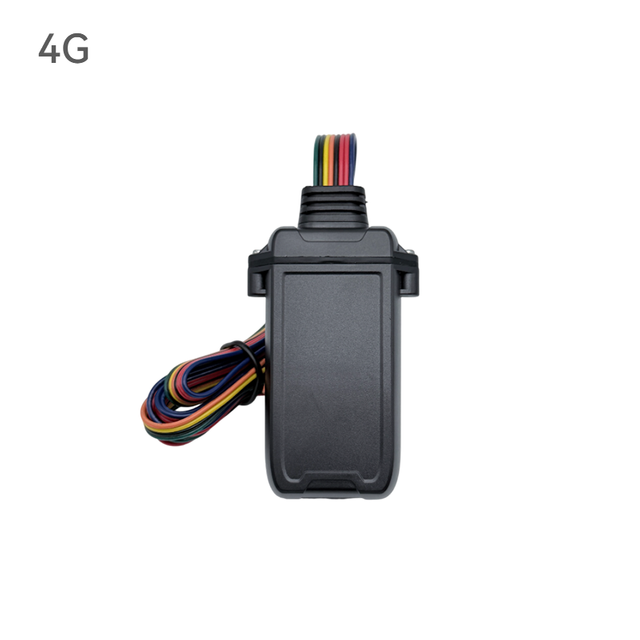
A hardwired Vehicle Tracking Device is often used for long-term fleet management. It is usually installed inside the vehicle and connected to vehicle power. This makes it more secure and suitable for commercial vehicles.
An OBD tracker is simple and fast to install. It is commonly used for passenger cars, rental vehicles, and small fleets. However, because it is plugged into the OBD port, it may be easier to remove.
A battery-powered Vehicle Tracking Device is useful for assets that do not have a stable power supply, such as trailers, containers, motorcycles, and construction equipment. The main factor to consider is battery life.
The most important feature of a Vehicle Tracking Device is real-time location tracking. Users can see the current location of their vehicles on a map. This helps dispatchers assign jobs, check delivery progress, and respond quickly to unexpected situations.
Route history playback is another valuable feature. It allows users to review where a vehicle has been, when it stopped, how long it stayed, and which route it followed. This is useful for delivery verification, driver management, accident review, and customer service.
Geofencing allows users to create virtual boundaries on a map. When a vehicle enters or leaves a defined area, the system sends an alert. This feature is especially useful for rental fleets, construction sites, warehouses, school buses, and restricted operation zones.
Speeding alerts help improve driver safety. If the vehicle exceeds a preset speed limit, the platform can notify the manager. Over time, speeding reports can help companies identify risky driving behavior and improve driver training.
Ignition status monitoring shows whether the vehicle is turned on or off. This helps businesses detect unauthorized usage, after-hours driving, long idle time, and unusual activity.
Anti-theft alerts are also important. A Vehicle Tracking Device may support vibration alerts, movement alerts, towing alerts, power cut alerts, and backup battery alerts. If a vehicle is stolen, real-time tracking can help improve the chance of recovery.
Advanced models may support fuel monitoring, temperature monitoring, SOS button, door sensor, relay control, CAN bus data, driver ID, and Bluetooth sensors. These functions make the device more suitable for professional fleet management and industry-specific applications.
A Vehicle Tracking Device helps businesses improve visibility, safety, efficiency, and asset security. For many companies, the value is not only in knowing where vehicles are, but also in using data to improve daily operations.
For logistics and delivery companies, tracking helps improve dispatching and route planning. Managers can locate the nearest vehicle, reduce unnecessary trips, and give customers more accurate delivery updates.
For fleet operators, tracking helps reduce operating costs. By analyzing mileage, idle time, routes, and driver behavior, companies can find ways to reduce fuel waste, improve vehicle utilization, and lower maintenance pressure.
For rental and leasing companies, a Vehicle Tracking Device helps monitor vehicle location, mileage, and unauthorized movement. This can reduce risk and improve vehicle recovery in case of contract violations or theft.
For construction and equipment companies, tracking helps protect high-value assets. Machines, trailers, and equipment can be monitored even when they are not used every day.
For private vehicle owners, the main benefit is security. If a vehicle is moved without permission, the owner can receive an alert and check the location quickly.
Before choosing a Vehicle Tracking Device, buyers should define their main purpose. A device for basic car security is different from a device for logistics fleet management. A device for trailers is different from a device for rental cars.
First, consider the installation method. If you need a permanent and hidden solution, a hardwired device is usually better. If you need fast installation, an OBD device may be suitable. If the asset has no vehicle power, a battery-powered device is a better choice.
Second, check network compatibility. The device should support the cellular bands used in the target country or region. This is very important for distributors, fleet integrators, and project buyers who deploy devices in different markets.
Third, evaluate tracking frequency and battery life. Real-time tracking with frequent updates provides more detailed data but consumes more power and data. Battery-powered trackers need a balance between reporting frequency and working time.
Fourth, review platform functions. A good platform should support live tracking, route history, geofencing, alerts, reports, user management, and mobile access. The software experience is just as important as the hardware.
Fifth, consider durability. For outdoor vehicles, trailers, or heavy equipment, the device may need waterproof housing, dust resistance, vibration resistance, and wide temperature operation.
Sixth, choose a reliable manufacturer. A professional Vehicle Tracking Device manufacturer can provide stable hardware, firmware support, OEM/ODM customization, technical documents, installation guidance, and long-term supply.
For B2B buyers, working with a professional manufacturer offers clear advantages. A Vehicle Tracking Device is not only a simple electronic product. It involves hardware design, GPS performance, cellular communication, firmware, platform protocol, testing, and technical support.
A manufacturer can help customers choose the right device based on application. For example, a logistics company may need hardwired trackers with ignition detection. A rental company may prefer OBD trackers. A trailer tracking project may require battery-powered devices with long standby time.
OEM and ODM services are also important. Buyers may need custom logos, packaging, firmware settings, server protocol, SIM card configuration, accessories, or special sensor integration. A capable manufacturer can support these requirements more efficiently.
Quality control is another key factor. Stable positioning, reliable network connection, safe power design, battery protection, and firmware stability all require professional testing. For large fleet projects, product reliability directly affects customer satisfaction and maintenance cost.
A Vehicle Tracking Device is an essential tool for modern vehicle management. It helps users monitor vehicle location, review routes, improve driver safety, reduce operating costs, prevent theft, and manage fleets more efficiently.
The device works by receiving satellite positioning signals, collecting vehicle data, sending that data through a cellular network, and displaying it on a web platform or mobile app. Depending on the application, users can choose hardwired trackers, OBD trackers, battery-powered trackers, magnetic trackers, or advanced telematics devices.
When choosing a Vehicle Tracking Device, buyers should consider installation method, network compatibility, platform functions, battery life, durability, and supplier support. For professional projects, working with an experienced manufacturer such as Guangzhou T-mark Technology Co., Ltd. can help ensure better product quality, customization ability, and long-term reliability.
The main purpose of a Vehicle Tracking Device is to monitor vehicle location and movement. It helps users track vehicles in real time, improve fleet management, prevent theft, review route history, and collect useful operation data.
Many vehicle tracking devices need a SIM card or built-in cellular connection to send data to the tracking platform. Some models may also support eSIM, LTE-M, NB-IoT, or other communication methods.
Yes. Many devices can continue working when the vehicle is turned off. Hardwired devices may use vehicle power and a backup battery, while battery-powered devices can work independently. The working time depends on battery capacity and reporting frequency.
An OBD tracker plugs into the vehicle’s OBD port and is easy to install. A hardwired Vehicle Tracking Device is connected to the vehicle’s electrical system and is usually better for permanent installation, hidden placement, and professional fleet management.
A Vehicle Tracking Device is usually accurate enough for daily vehicle monitoring and fleet management. Actual accuracy can be affected by buildings, tunnels, underground parking, weather, antenna design, and device quality.