Views: 0 Author: Site Editor Publish Time: 2026-06-18 Origin: Site
Fleet operators today face an increasingly difficult operational landscape. You likely deal daily regarding tightening profit margins, rising fuel prices, and unpredictable maintenance expenses. These constant challenges make finding operational efficiency essential for basic survival. Modern telematics technology offers a clear, proven solution. However, you should not view a modern vehicle tracking device as a simple dot moving across a map. Instead, consider it a powerful diagnostic tool designed for identifying hidden operational waste. It exposes daily inefficiencies fleet managers might otherwise completely miss.
Our objective in this article is to break down the exact mechanisms of fleet cost reduction. We will evaluate different hardware types currently available on the commercial market. Finally, we will outline a realistic return on investment timeline for fleet operators. You will learn actionable steps to turn raw location data into sustained profitability.
Fuel & Maintenance ROI: Real-time telematics directly cut costs by curbing engine idling, unauthorized usage, and deferred maintenance.
Risk Mitigation: Asset recovery and reduced insurance premiums provide measurable financial returns, especially when utilizing anti-jamming and hardwired security features.
Hardware Dictates Success: Choosing between an OBD plug-in and a wired tracker depends heavily on your vehicle type, security needs, and installation budget.
Hidden Costs: Successful implementation requires factoring in change management, driver adoption, and software subscription fees, not just upfront hardware costs.
Fuel consumption consistently ranks as the highest variable expense for commercial fleets. Reducing this spend requires looking beyond daily pump prices. Fleet managers must analyze how drivers actively operate the vehicles. Continuous idle monitoring establishes a firm baseline for driver behavior correction. When drivers leave engines running during long stops, they burn cash rapidly. Telematics software tracks these exact idle times across the entire fleet.
Once you identify the worst offenders, you can implement targeted coaching. Data removes emotion from these conversations. You can simply show drivers their idling reports. Next, you must address routing inefficiencies. Dispatchers often rely on outdated maps or driver intuition. This approach leads to unnecessary mileage. Dynamic routing solves this problem entirely.
Traffic Integration: The system analyzes real-time traffic congestion.
Route Adjustment: Dispatchers reroute drivers away from active accidents.
Mileage Reduction: Vehicles travel fewer out-of-route miles.
Fuel Conservation: Less time stuck in traffic directly translates to lower fuel burns.
Unauthorized usage represents another major drain on fuel budgets. Employees sometimes use company trucks for personal weekend errands. You can stop this by setting digital geofences. These virtual boundaries trigger instant alerts whenever vehicles move after approved hours. You eliminate off-the-clock fuel consumption overnight.
Maintain an evidence-oriented focus when discussing fuel savings. Avoid aggressive industry claims promising an instant thirty percent savings. Instead, frame fuel reduction as a progressive, long-term metric. You achieve these savings through consistent driver coaching based entirely on accurate tracking data.
Fuel Waste Category | Tracking Solution Applied | Expected Operational Impact |
|---|---|---|
Prolonged Engine Idling | Idle time alerts and driver scorecards | Gradual reduction in wasted gallons per shift |
Out-of-Route Driving | Real-time dynamic dispatch routing | Shorter travel distances and faster job completion |
Off-Hours Vehicle Use | Geofencing and time-based movement alerts | Elimination of unauthorized weekend fuel usage |
Relying on reactive maintenance destroys fleet budgets. Parts break unexpectedly. Vehicles sit idle in repair shops. You lose revenue for every day the truck cannot operate. Preventive maintenance offers a much smarter alternative. Diagnostic integrations make this shift possible. By utilizing an OBD truck car real time tracking locator, you pull exact diagnostic trouble codes (DTCs) remotely. Your mechanics can view engine performance metrics before the truck even returns to the yard.
Most fleets still rely on calendar estimates for routine servicing. They schedule oil changes every three months regardless of actual usage. This method wastes money on underused vehicles. It also neglects overworked trucks. Telematics software solves this through mileage-based alerts. The system automates maintenance schedules based entirely on actual distance driven. You perform tire rotations and fluid changes exactly when the vehicle requires them.
Automated Work Orders: Software generates repair tickets once mileage thresholds hit.
Inventory Management: Shops order parts in advance based on predicted service dates.
Maximized Uptime: Mechanics service vehicles during planned off-hours.
Early detection prevents catastrophic failures. A minor engine issue might trigger a small fault code today. Ignoring it could destroy the entire transmission next month. Telematics systems catch these minor faults immediately. You prevent costly roadside breakdowns. You also avoid paying emergency towing fees. Addressing small repairs early preserves capital and extends the total lifespan of your commercial assets.
Asset theft devastates commercial operations. The financial impact goes far beyond the immediate replacement cost of the stolen vehicle. You must also calculate the severe operational downtime. Customers face delays. Your company reputation suffers. Rapid theft recovery becomes essential. Police require exact coordinates to retrieve stolen assets quickly. Telematics provides this exact location data instantly.
However, modern criminals employ sophisticated tactics. They often use cheap signal blockers to hide stolen vehicles from satellite networks. You must invest in advanced security hardware to counter these threats. Deploying an anti jammer vehicle GPS tracker proves necessary for high-value targets. These specialized devices detect signal interference automatically. They deploy countermeasures to ensure location data still reaches your dispatchers.
Heavy-duty assets require tamper-proof solutions. Standard plug-and-play devices present a massive security risk here. Thieves simply reach under the dashboard and unplug them. Utilizing a wired GPS car alarm locator secures the vehicle much better. Professional installers hide the device deep inside the dashboard wiring. Criminals cannot find or remove the unit quickly. The vehicle remains visible on your tracking dashboard throughout the ordeal.
Enhanced security features provide significant insurance leverage. Commercial insurance providers face massive risks when underwriting fleet policies. They prefer clients who actively mitigate these risks. You can provide historical safety logs and active tracking data to your insurers. Proving your fleet remains secure helps negotiate much lower commercial premium rates. Many providers offer mandatory discounts for fleets using hardwired anti-theft telematics.
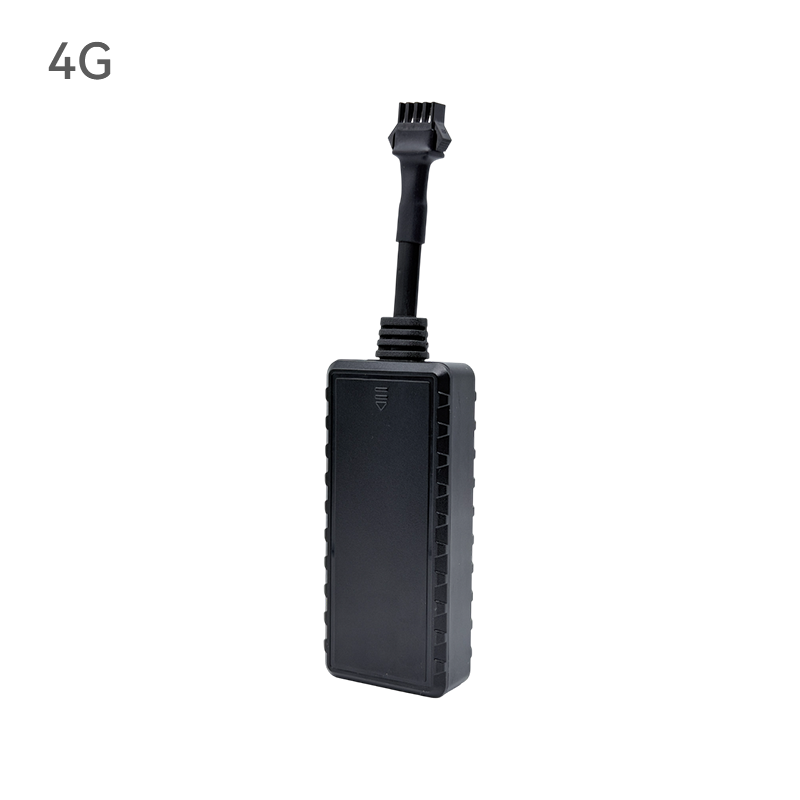
Choosing the correct hardware dictates the success of your telematics program. Network longevity stands as the first mandatory baseline. Older cellular networks frequently shut down globally. Investing in a modern 4G GPS tracker ensures your devices stay connected for years. It prevents premature hardware obsolescence. You avoid replacing entire fleet systems just because a telecom provider upgrades their towers.
Operators generally choose between two distinct hardware categories. You must base your decision framework on your specific asset turnover rate, covert tracking needs, and in-house mechanical capabilities.
OBD-II devices plug directly into the diagnostic port under the steering wheel. They offer incredible convenience for light-duty fleets.
Pros: They feature zero installation cost. Deployment happens instantly across the fleet. They provide rich diagnostic data directly from the engine computer.
Cons: Drivers can unplug them easily to avoid monitoring. They might also face compatibility issues regarding specific heavy-duty truck protocols.
Hardwired devices connect directly to the vehicle power source behind the dashboard. They suit permanent, heavy-duty applications perfectly.
Pros: They allow covert installation. They remain highly reliable over harsh conditions. They support external sensors for monitoring Power Take-Off (PTO) events or refrigerated trailer temperatures.
Cons: They require professional installation labor. They cause higher initial rollout downtime while mechanics wire the fleet.
Hardware Selection Summary Chart | ||
Feature | OBD-II Plug-in Devices | Hardwired Devices |
|---|---|---|
Installation Speed | Under 5 minutes | 45 - 60 minutes |
Security Level | Low (Easily visible) | High (Covertly hidden) |
External Sensor Support | None | Yes (PTO, Temperature, Doors) |
Ideal Fleet Type | Sales cars, light delivery vans | Heavy construction, long-haul freight |
Procuring hardware represents only the first step. You must manage several implementation risks to guarantee a successful rollout. Driver pushback remains the most common hurdle. Employees often perceive new telematics systems as corporate overreach. They resent the "Big Brother" feeling. You must address these concerns proactively. Frame the tracking system as a mutual safety tool. Explain how accurate GPS data exonerates innocent drivers during false accident claims. Avoid using the system purely for disciplinary actions. Reward safe driving instead of only punishing mistakes.
Data overload poses another significant risk. Many fleets pay premium subscriptions for advanced telematics software. However, they fail to act on the incoming data. Staring at hundreds of daily alerts paralyzes dispatchers. You must configure exception-based reporting. Program the software to remain silent during normal operations. Tell it to only trigger alerts for critical events. Set thresholds for harsh braking, rapid acceleration, or speeding ten miles over the posted limit. This filters out the noise. Your staff can focus purely on actionable safety events.
Finally, apply strict shortlisting logic when evaluating vendors. The market contains dozens of telematics providers. Many trap customers inside unfavorable agreements. Use a rigorous checklist before signing.
API Access: Ensure the software integrates smoothly into your existing dispatch or accounting tools.
Contract Lengths: Avoid vendors demanding mandatory five-year lock-ins. Look for flexible or month-to-month terms.
Cancellation Fees: Read the fine print carefully. Identify hidden penalties for retiring older vehicles early.
Hardware Warranties: Confirm the provider replaces failed devices promptly without charging exorbitant shipping or diagnostic fees.
A telematics system reduces expenses only when fleet managers pair the raw data with active daily management. Installing devices and ignoring the dashboard yields zero return on investment. You must coach drivers, optimize routes, and schedule maintenance proactively based on the insights provided.
Reiterate your operational needs before purchasing hardware. The right equipment must align perfectly with your specific vulnerabilities. An easily removed OBD plug-in serves a local florist well. However, a cross-country freight operator requires hardwired, anti-jamming security to protect high-value cargo.
Your next step should involve running a controlled trial. We recommend beginning with a pilot program. Install the selected hardware on five to ten percent of your fleet. Benchmark your current fuel and maintenance metrics first. Run the pilot for three months. Measure the actual savings achieved through the software. This hard data will justify a full fleet deployment to your executive team.
A: Most fleet operators experience a full return on investment within three to six months. This rapid timeline is driven primarily by immediate reductions in engine idling. It also results from eliminating unauthorized weekend usage. Active coaching multiplies these fuel savings quickly over the first quarter.
A: Yes, many commercial insurers offer premium discounts. These discounts vary by provider but typically range between five and fifteen percent. You usually must provide proof of active tracking. Insurers also want to review your historical safety logs to verify your risk profile has actually improved.
A: OBD trackers are plug-and-play devices. They plug into the dashboard port instantly, costing nothing to install. Hardwired devices connect directly to the internal power supply. This process requires roughly an hour of professional technician labor per vehicle, affecting your upfront implementation budget.
A: Yes. Quality devices feature "store and forward" capabilities. When a truck enters a rural dead zone, the tracker logs all location and engine data onto its internal memory. Once the vehicle re-enters a coverage area, the device uploads all stored data back to your dashboard seamlessly.