Views: 0 Author: Site Editor Publish Time: 2026-06-24 Origin: Site
Fuel costs account for up to 30-40% of total fleet operational expenses. Despite this massive financial burden, many operators still rely on delayed fuel card receipts. They use estimated MPG calculations to track daily usage. This reactive approach creates a dangerous blind spot for operations managers. You only see what happened weeks after the money is gone.
A significant gap exists between reviewing reactive data and taking proactive intervention. Standard receipts cannot flag a stolen gallon or a truck idling unnecessarily for three hours. Managers need immediate insights to stop these financial leaks. You need real-time hardware to gain true visibility.
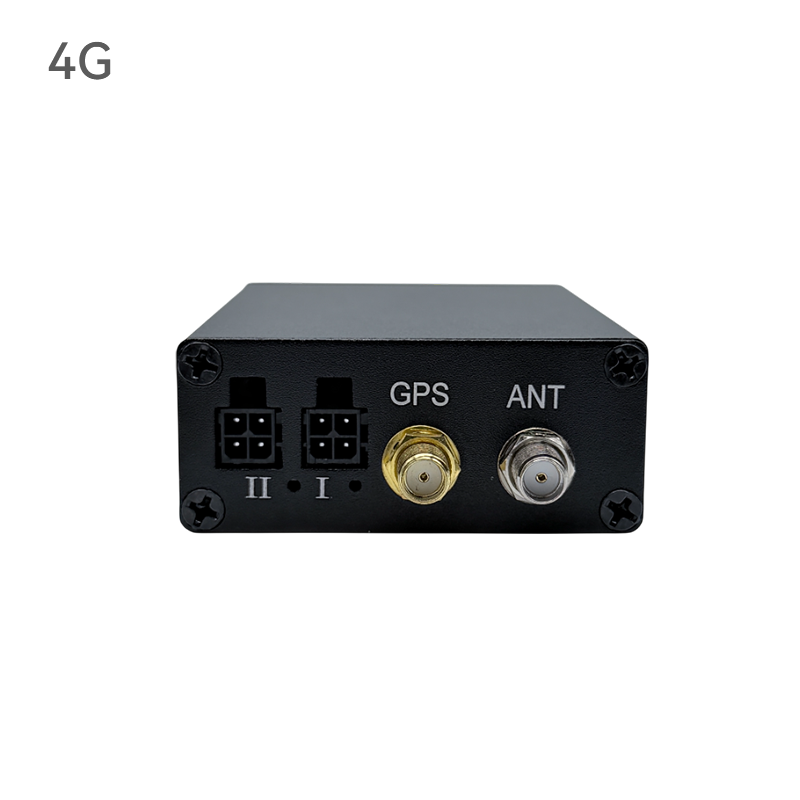
We must introduce the modern fuel monitoring device. Operators should not view this technology merely as a surveillance tool. Rather, it serves as a mandatory financial safeguard for modern fleets. You use it to detect anomalies instantly, prevent direct theft, and optimize inefficient routing. In this guide, you will learn how upgrading your hardware transforms unpredictable fuel burn into a manageable, hard metric.
A dedicated fuel monitoring device provides real-time visibility that fuel cards and standard OBD-II trackers cannot match, specifically for detecting siphoning and aggressive idling.
Hardware choices primarily come down to intrusive (capacitive) vs. non-intrusive (ultrasonic) sensors, each with distinct installation and accuracy trade-offs.
Successful implementation requires balancing hardware accuracy claims with actual software integration capabilities and installation downtime.
Evaluating vendors requires a pilot program to test calibration stability and real-world anomaly alerting.
Fuel cards and standard telematics leave too much room for daily error. The industry still struggles heavily against fuel card skimming. Thieves duplicate magnetic strips and drain funds before dispatchers notice anything wrong. Standard OBD-II systems calculate fuel burn mathematically based on engine data. They fall drastically short because they cannot detect actual fuel siphoning directly from the tank. If a thief drains fuel while the ignition is off, standard telematics remain blind. Delayed reporting means you simply pay the inflated bill at the end of the month.
Hardware solutions plug these precise financial leaks. Implementing physical sensors provides direct ROI drivers across three distinct categories. You reclaim lost profits immediately.
Theft prevention: You receive real-time alerts for rapid fuel level drops. If someone drains the tank at midnight in an unlit yard, the system immediately notifies your security team.
Idling waste: You can accurately correlate engine running hours alongside actual fuel burn rates. This reveals exactly how much fuel a parked truck consumes while waiting at a loading dock.
Route inefficiency: Analytics pinpoint exactly which routes consume the most fuel. You can adjust dispatching habits based on hard data rather than driver guesswork.
Success relies entirely on setting clear, measurable metrics. A successful vehicle fuel management upgrade should radically reduce fuel variance. You want to drop reporting discrepancies from a sloppy 10% down to under 2%. Highly competitive fleets typically achieve a positive return on investment within six to nine months of deployment.
Buyers face critical trade-offs when choosing monitoring hardware. You must objectively weigh technical differences against your specific operational needs. No sensor offers perfect accuracy under every possible environmental condition. Treat this breakdown as a practical buyer’s guide.
This intrusive method requires mechanical modification. Technicians must drill directly into the top of the fuel tank. They insert a specialized vertical probe measuring the electrical capacitance of the surrounding fuel.
Pros: This method remains highly accurate. Operators routinely see 98% to 99% precision. It provides highly stable data streams during transit. The design features internal tubes limiting the impact of sudden tank sloshing during sharp turns.
Cons: The intrusive installation deters some buyers. Drilling holes often voids some OEM tank warranties immediately. Furthermore, mechanics must thoroughly clean the entire tank before installation to prevent dangerous debris contamination.
For fleets prioritizing absolute data stability, installing a capacitive fuel sensor GPS tracker often represents the strongest long-term investment.
This non-intrusive alternative attaches externally. Installers mount the sensor pad to the bottom outside layer of the fuel tank. It emits specialized sound waves upward to measure exact fluid depth.
Pros: The completely non-invasive process requires absolutely no drilling. This provides a much safer installation environment because mechanics avoid creating sparks near combustible liquids. It completely preserves structural tank integrity and protects OEM warranties.
Cons: Ultrasonic waves remain highly sensitive to the specific shape and thickness of the tank. The device requires perfectly flat mounting surfaces to bounce waves correctly. Accuracy degrades over time if the external coupling gel deteriorates or if the tank accumulates internal sludge.
If you lease your trucks, an ultrasonic fuel sensor GPS tracking device provides excellent value without risking expensive lease penalties.
This method pulls factory sensor data directly from the vehicle's internal computer system. It does not require any aftermarket tank probes.
Use case: It works best for very modern trucks. These newer vehicles already feature highly accurate factory sensors. However, CAN Bus is often much less reliable for detecting off-hours theft. The vehicle computer shuts down when the ignition turns off. This masks rapid fuel drops occurring overnight.
Hardware Comparison Overview | |||
Sensor Type | Installation Method | Expected Accuracy | Primary Trade-off |
|---|---|---|---|
Capacitive | Intrusive (Tank Drilling) | 98% - 99% | Voids OEM warranties, high labor |
Ultrasonic | Non-intrusive (External Mount) | 95% - 98% | Sensitive to tank sludge and gel wear |
CAN Bus | Software Plug-in | Varies by OEM | Cannot monitor fuel when ignition is off |
Hardware specifications alone do not guarantee fleet efficiency. You must evaluate sensors based on real-world outcomes and software compatibility. Many operators purchase highly accurate hardware but fail to extract actionable insights.
You need to know exactly how often the device sends data to the main dashboard. Polling too slowly means you will likely miss sudden theft events. Conversely, polling too fast creates unnecessary data bloat. This bloat slows down your reporting software and increases cellular data costs unnecessarily. Look for adaptable polling rates.
Vendors often downplay the truth about sensor calibration. Devices require meticulous, time-consuming initial setup. Technicians must fill the tank in precise, measured stages. They record the sensor output at 5%, 10%, and 20% intervals. This process ensures the algorithm correctly understands the specific geometry of your tank. Skipping this vital step ruins data accuracy completely.
Hardware cannot function in a vacuum. Evaluate how well the sensor integrates into your existing fleet management systems. Check for open API availability. Ensure the dashboard offers clear, immediate insights rather than confusing spreadsheets. A poor software interface renders good hardware practically useless.
Fleet hardware must withstand brutal environmental conditions. Trucks endure extreme temperatures, heavy road vibrations, and harsh chemical exposure. Review the ingress protection ratings carefully. Ensure your chosen hardware carries ATEX or IECEx certifications if your vehicles operate in hazardous, explosive environments. Compliance guarantees basic safety standards.
Rolling out new technology always introduces operational friction. Ignoring these challenges leads to failed deployments. Planning for these specific hurdles ensures a much smoother transition across the company.
You must acknowledge the true operational cost of installation. Taking working trucks off the road hurts daily revenue directly. Installation and proper calibration typically require two to four hours per vehicle. You must schedule these installations during routine maintenance windows to avoid disrupting active dispatch schedules.
Drivers routinely resent new monitoring tools. They easily attach a "big brother" stigma to the project, assuming management simply wants to punish them. You must address this sentiment proactively. Recommend transparent communication frameworks. Position the technology as a vital tool for operational health. Show them how the data rewards efficient driving rather than serving purely as punitive surveillance.
Sensors are never "set-and-forget" devices. They require ongoing attention and care. Highlight the absolute need for periodic re-calibration. Conduct physical inspections regularly. Mechanics should routinely check the ultrasonic sensor adhesives during oil changes. Heavy road vibration eventually weakens these external mounts.
Choosing the right vendor demands a logical, step-by-step approach. Do not rush the procurement process. Follow this simple framework to protect your operational investment.
Step 1: Audit your fleet: Determine your specific tank types, mounting spaces, and vehicle ages. Identify your primary fuel loss symptoms. Figure out whether you are fighting active midnight theft or merely aggressive driver inefficiency.
Step 2: Run a controlled pilot: Never roll out a new system to the entire fleet at once. Test two to five vehicles first. Run the pilot strictly for 30 days. Use this time to verify calibration stability and test the software alerting logic under real conditions.
Step 3: Ask vendor vetting questions: Force vendors to provide hard data regarding their products. Ask them directly, "What is your documented failure rate for this specific sensor model?" Furthermore, ask, "How does your software filter out 'false positives' resulting from fuel sloshing on rough terrain?"
A pilot program reveals the truth behind marketing claims. It highlights software bugs before you commit to a multi-year contract.
Relying on paper receipts is no longer viable for highly competitive fleets. Manual tracking creates financial vulnerabilities. A robust monitoring solution transforms fuel from a variable, unpredictable expense into a manageable, hard metric. When you see exactly where every drop goes, you reclaim lost profits rapidly.
We advise buyers to prioritize overall installation quality just as highly as the stated accuracy percentage of the hardware. A 99% accurate probe fails entirely if the software dashboard confuses your dispatchers. Balance your hardware choice against your actual maintenance capabilities.
Take proactive action today to secure your bottom line. Request a detailed hardware spec sheet from your shortlisted vendors. Schedule a technical demo to see the reporting dashboard in action. Calculate your potential ROI based on your current monthly fuel spend and expected variance reduction.
A: Costs vary heavily based on sensor type and your specific telematics bundle. Hardware typically ranges between $100 and $300 per vehicle. Capacitive probes often cost slightly more than basic ultrasonic models. Monthly SaaS fees for the reporting dashboard generally add $15 to $30 per truck. Always factor in the initial installation labor when building your budget.
A: A sensor cannot physically stop a thief from draining the tank. However, it triggers instant SMS or email alerts when it detects rapid volume drops. This immediate notification enables a rapid security response. You can alert local authorities or yard managers while the theft is actively happening.
A: It depends entirely on your operational priorities. Capacitive sensors offer maximum accuracy and incredible long-term stability. However, they require intrusive drilling into the tank. Ultrasonic sensors provide a non-invasive, warranty-friendly installation. They mount externally but remain highly sensitive to tank shape and internal sludge buildup.
A: Yes, extreme temperature fluctuations naturally cause fuel volume to expand or contract. A 100-gallon tank reads differently in freezing winter conditions versus peak summer heat. Quality monitoring devices solve this common issue by using advanced temperature compensation algorithms. They adjust the raw readings automatically to reflect the true, temperature-corrected fluid volume.